How to Run a Summer Reading Program at Home
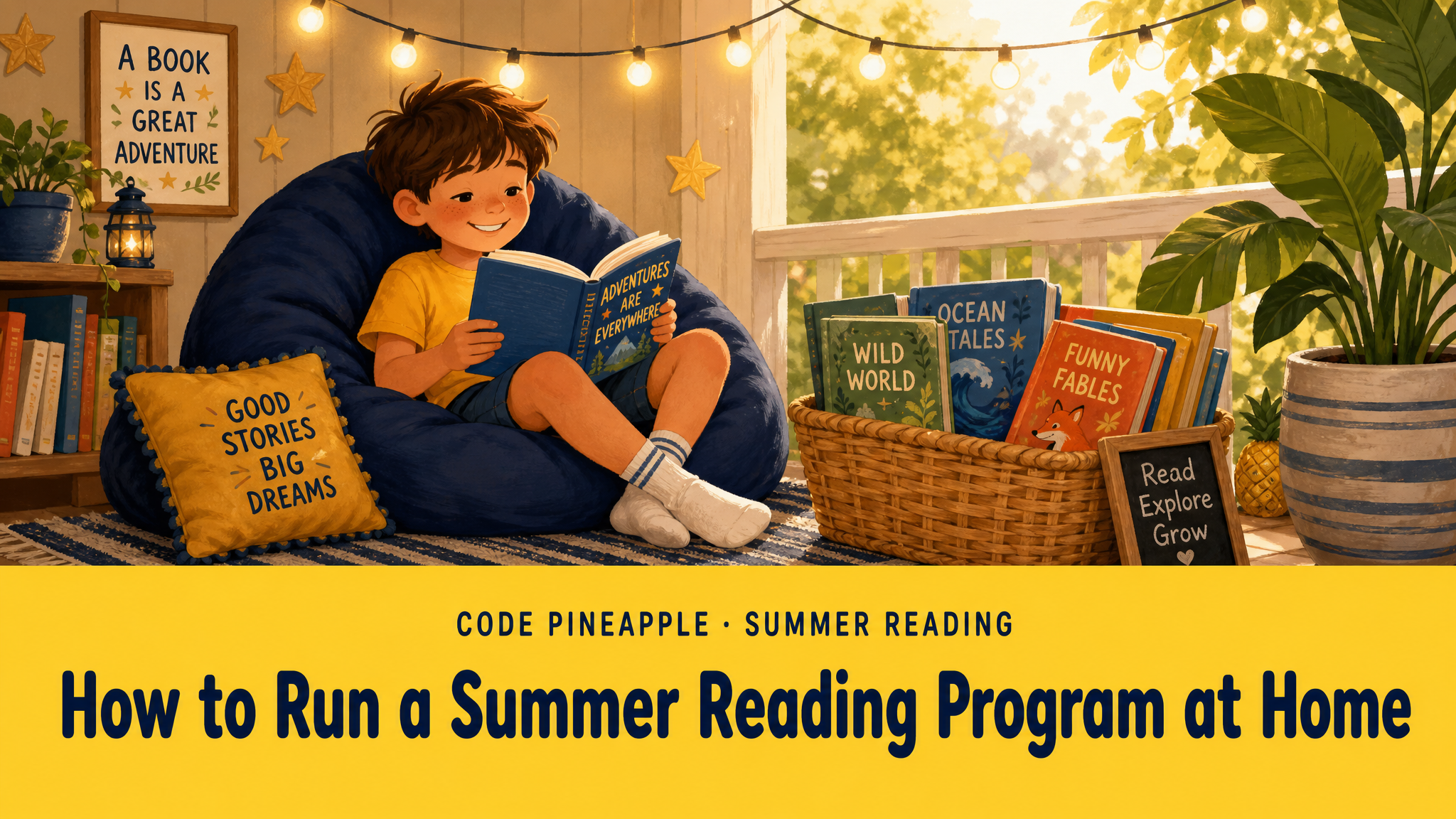
How to Run a Summer Reading Program at Home
(Without Turning It Into Summer School)
You don't need a curriculum. You don't need a color-coded binder. You don't need to be the kind of parent who owns a laminator.
You just need a finish line, a cozy spot, and a stack of books your kid actually wants to open.
Here's the truth nobody tells you about summer reading: the kids who read all summer aren't more disciplined than yours. They just landed on a book that hooked them — and somebody made it easy to keep going. That's the whole game. And you can set it up in an afternoon.
What actually makes a summer reading program work?
Three things. Not worksheets.
Choice. A kid who picks the book reads the book. Let them choose — even the "too easy" ones, even the graphic novels, even the one they've read four times.
Low pressure. The fastest way to kill summer reading is to make it feel like a grade. No quizzes. No reading logs that turn into a nightly fight. The goal is "lost in a story," not "proof of work."
A finish line they can see. Kids love a streak. A challenge with a clear end — and a small celebration waiting there — turns "go read" from a chore into a quest.
Build around those three, and the rest is just setup. Seven steps:
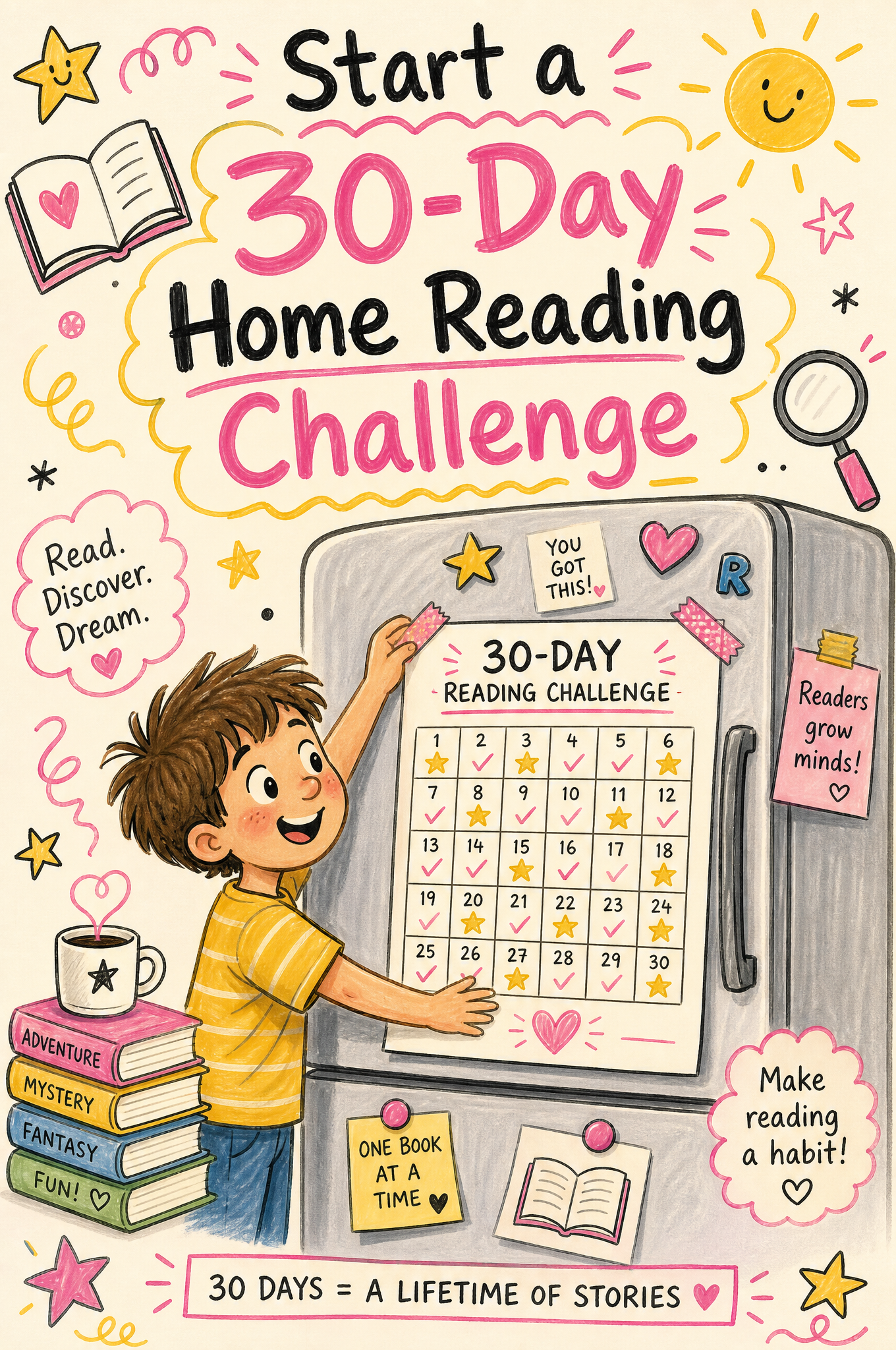
Pick a finish line, not a page count
Page counts punish slow readers and bore fast ones. A challenge works for both. Try: "Read on 20 days this summer." Or a bingo card — "read in a blanket fort," "read a book that makes you laugh," "read to a pet." The squares matter more than the minutes. (We made you a free one — link's at the bottom.)
Build a reading nook they actually want to sit in
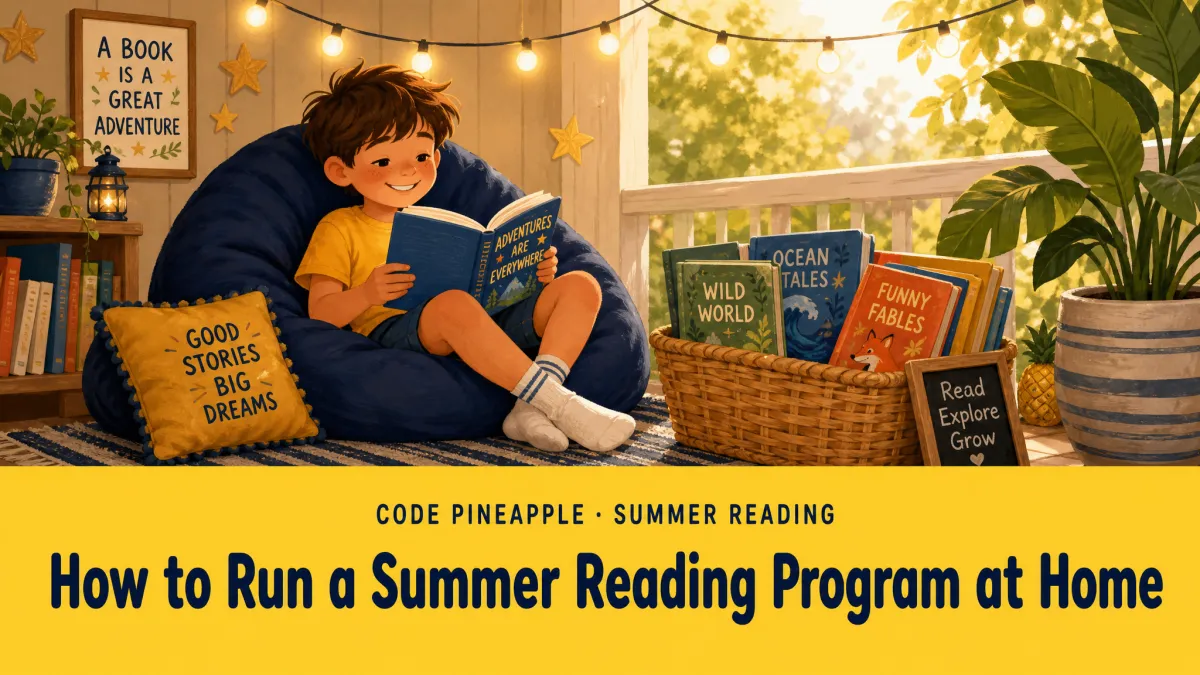
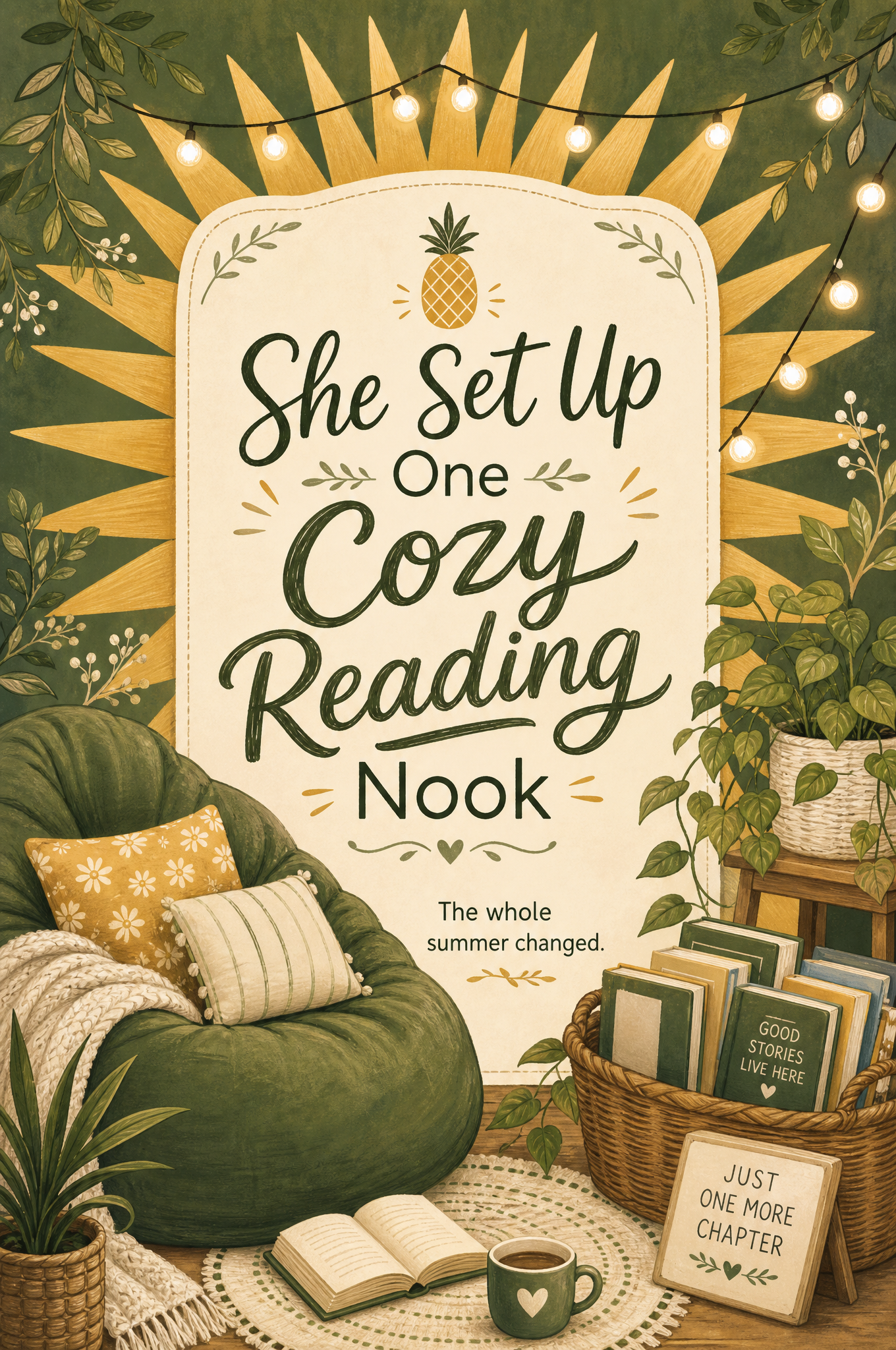
This one's almost cheating, it works so well. A beanbag in a corner. A string of lights. A basket of books within arm's reach. A "do not disturb, detective at work" sign they made themselves. Kids read where it feels good to read.
Let them choose (yes, even the "easy" books)
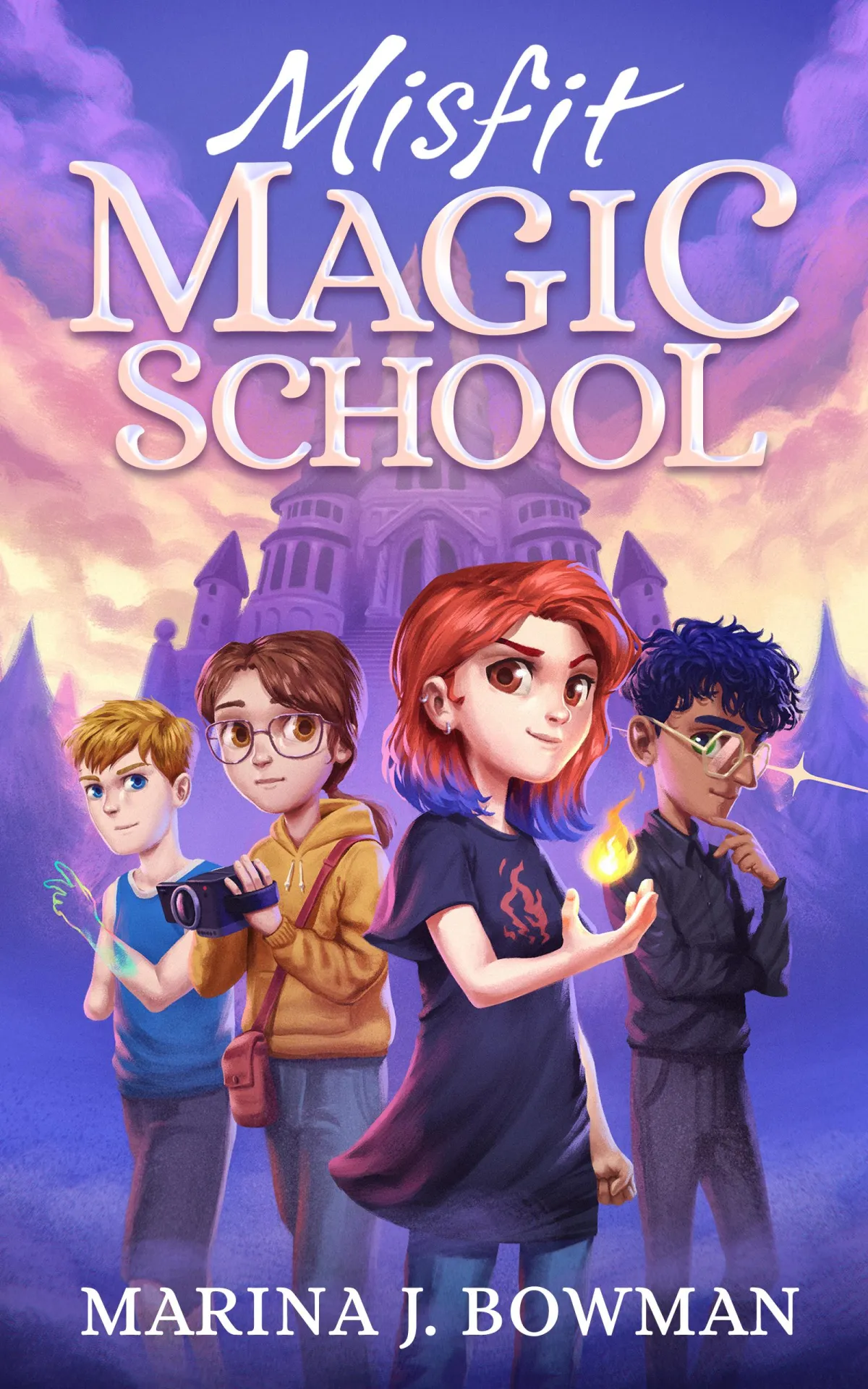
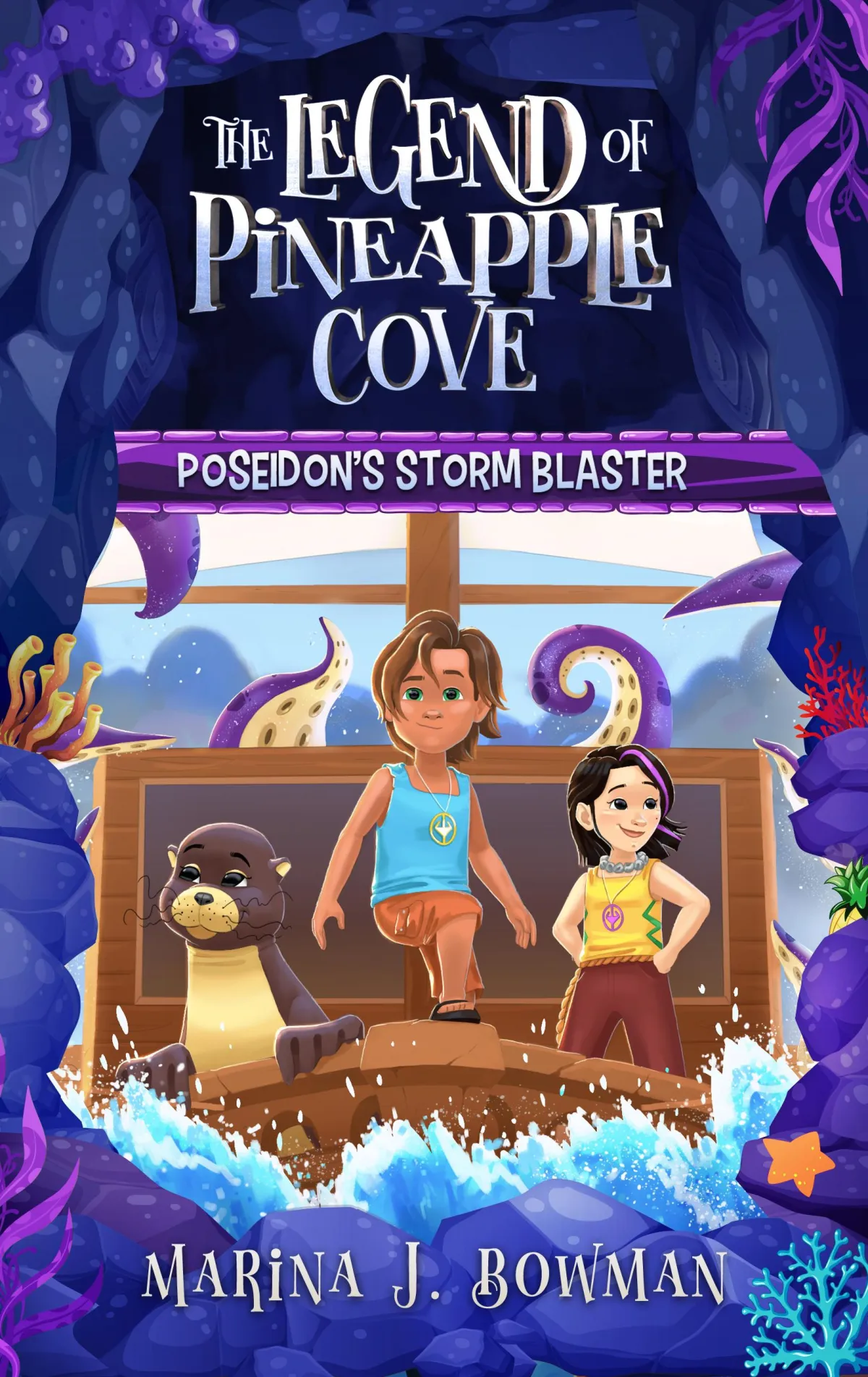
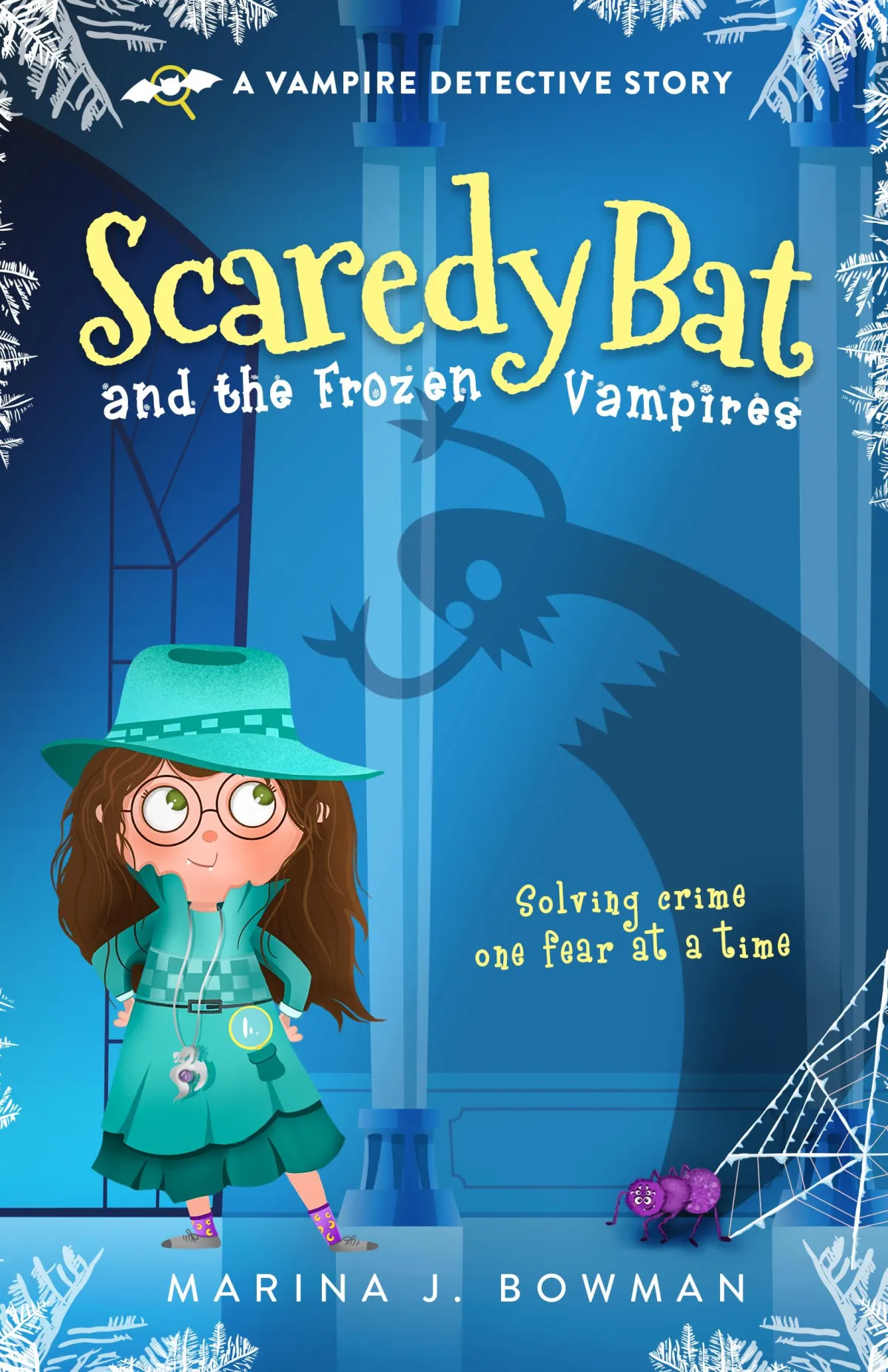
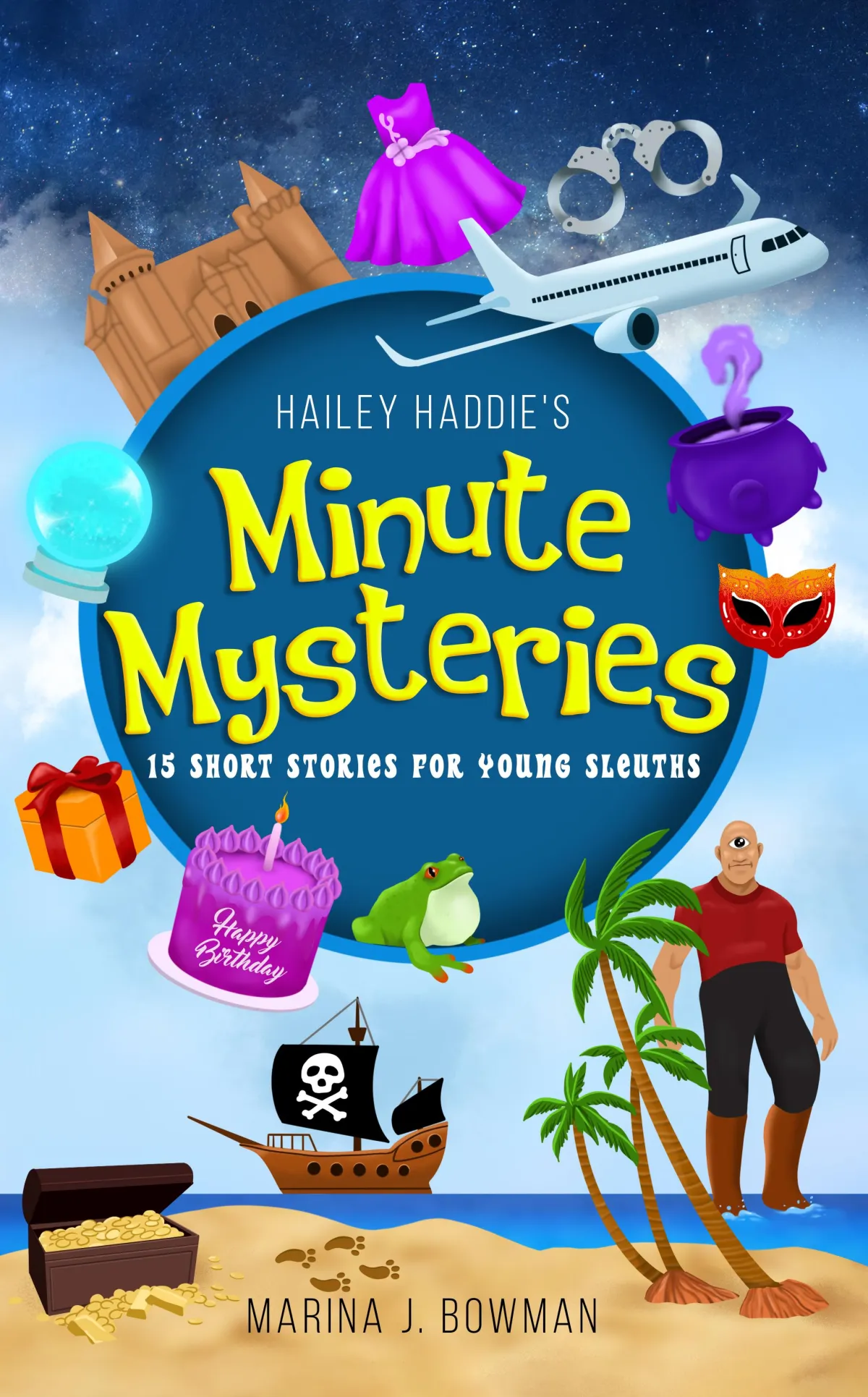
Repeat after me: a book they finish beats a book you approve of. Re-reads build fluency. Graphic novels build vocabulary. "Baby books" build confidence. Your job isn't to curate — it's to keep good options within reach and get out of the way. Five different kinds of curious kid need five different doorways in — mystery, adventure, spooky-fun, fantasy, puzzles.
Make it a game, not a chore
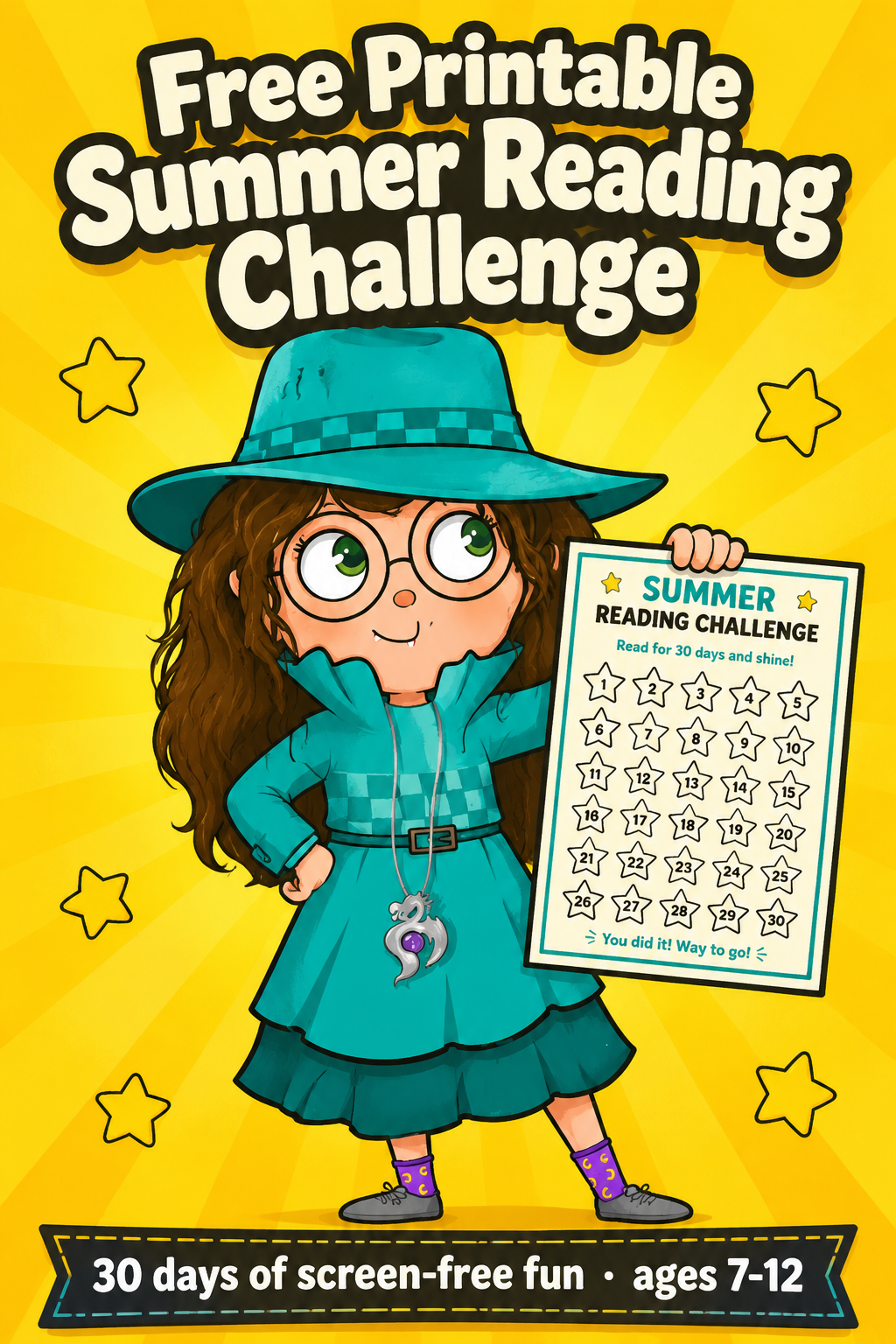
This is where the magic happens — and where a printable earns its keep. A challenge sheet on the fridge. A sticker for every day they read. A scavenger-hunt prompt — "find the hidden pineapple," "guess the ending before you get there." Turn reading into something they're winning, and you'll stop being the one who reminds them.
Stack reading onto something they already do
You don't have to add reading to the day. You can swap it in. Twenty minutes after lunch, before screens come on. A chapter in the car instead of a tablet. Reading right before lights-out — the one screen-free swap kids rarely fight, because it buys them ten more minutes awake.
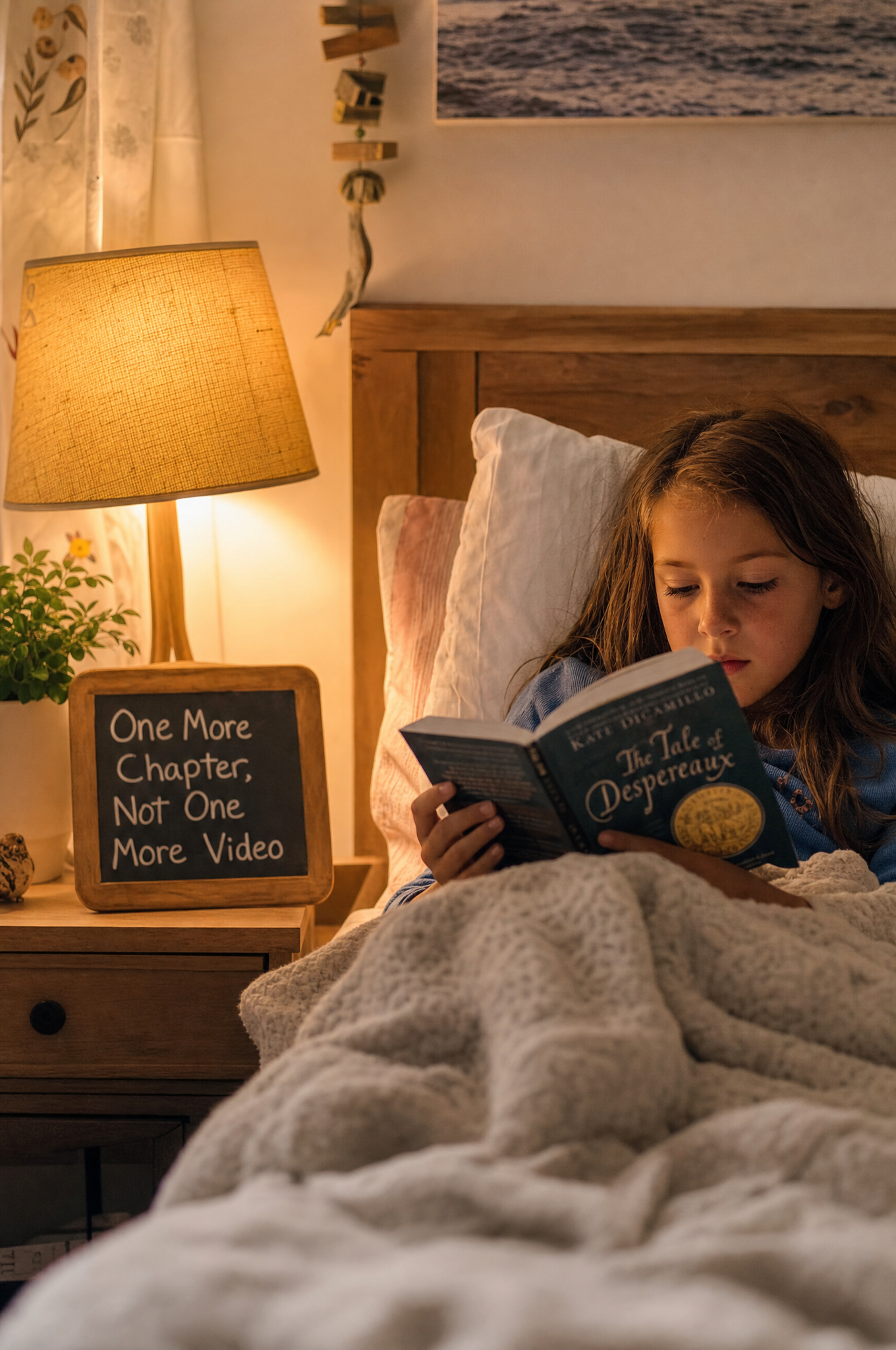
Read together, even when they can read alone
A 10-year-old who reads perfectly well will still happily listen to you read. Take turns. Do the voices. Stop on a cliffhanger and refuse to go on until tomorrow. Reading aloud is the part that makes books feel like time with you instead of homework you assigned.
Celebrate the finish, then start the next one
When they hit the finish line, make it real. A trip to the library. Pick-the-next-series rights. A "Summer Reading Champion" certificate on the fridge. Then — while the win is fresh — point at the next book. Series are perfect for this: finish book one and there are five more waiting.
Your 20-minutes-a-day summer plan
- Pick the challenge (20 days, or a bingo card).
- Set up the nook (a spot, some light, books within reach).
- Let them choose the books — all of them.
- Read 20 minutes a day — swapped in, not piled on.
- Read together a few nights a week.
- Celebrate the finish — and tee up what's next.
That's it. No binder. No laminator. No summer school.
Start this weekend — free printable
We built a free Summer Reading Challenge to make Step 1 and Step 4 effortless — a 30-day screen-free reading challenge for kids 7–12, with the streak tracker, the scavenger-hunt prompts, and the finish-line certificate, all ready to print.
Grab the free Summer Reading Challenge →Tape it to the fridge. Hand your kid a book. See what happens by August.
With love and pineapples,
The Code Pineapple team